Gods and Other Powerful Beings
Primordials
Elemental Lords
Istishia, Primordial of Water
Said to have created the oceans of the world and all its aquatic life. Istishia now lays dead in the ocean between the Fallen Empire and the Latien Confederacy, as the base for a series of islands.
Grumbar, Primordial of Earth
Said to have created the land and set the groundwork for all the races of the world to be born. Grumbar now lays dead underneath the great lake of the nomadic plains.
Vangarnoth, Primordial of Fire
Said to have created the hells and acted as its ruler until he was killed at the hands of the Dragon of Wisdom, the Acolytes and the Dawnbringers, 70 years ago.
Akadi, Primordial of Air
Said to have created the winds and the storms of the world as well as avian life. Created the Primordial tree with the help of her daughter Aerdrie Faenya and is stated to be dead.
Dawn Titans
Amaunator, Primordial of Light
Said to have created the sun and its warmth. Widely believed to be the father of Pelor and Lathander.
Asgorath, Creator of Dragonkind
He (or she, as some traditions suggested) is regarded as the creator of dragonkind and it is widely believed that when Asgorath died fighting Erek-Hus he was split into 3 new beings, Vitrix, Xyrilia and Null.
Vitrix, Dragon of Power
Said to be the creator of metallic dragons and is the source of all shards except Eclipse. The shards were created after Vitrix had died fighting his other half, Xyrilia. From the bloodlines of the original wielders of the shards, the dragonmarks were created. Currently being reincarnated through the Dragon Elves.
Xyrilia, Dragon of Wisdom
Said to be the creator of chromatic dragons and is the source of the weapon Eclipse. Fought against her other half, Vitrix and was killed. Was later brought back as a Dracolich but was defeated by her own creation Eclipse before she could gather her power.
Null
TBA
Ao, Overseer of the Gods
Ao is the Dawn Titan charged with overseeing the doings of the Gods of the world. He sees to it that they follow the rules set out for them. He also manages the divine, so that no two gods have the same ‘portfolio’. When two gods clash, he sees to it that either one god faded, both gods merge, or one (or both) god(s) alter their portfolio(s) sufficiently that both can remain.
A’Odon
TBA
Tharizdun, The Chained Oblivion
ጋ፱ዪጎክፏ ፕⶴቹ ጋልሠክ ሠልዪ, ፕⶴልዪጎጊጋ፱ክ ርዪቹልፕቹጋ ፕⶴቹ ል፪ሃነነ ልክጋ ፕⶴቹ ጋቹጮዐክነ ልክጋ ዐ፪ሃዪጎፕⶴነ ፕⶴልፕ ሠዐ፱ረጋ ጎክⶴል፪ጎፕ ጎፕ. ቻዐረረዐሠጎክፏ ፕⶴቹ ጋልሠክ ሠልዪ, ፕⶴቹ ፏዐጋነ ልክጋ የዪጎጮዐዪጋጎልረነ ጋቹርጎጋቹጋ ፕዐ ፕዪልየ ፕⶴልዪጎጊጋ፱ክነ ጎክ ፕⶴቹ ጋቹቹየቹነፕነ የልዪፕነ ዐቻ ፕⶴቹ ል፪ሃነነ ⶴቹ ርዪቹልፕቹጋ. ነጎክርቹ ⶴጎነ ፓልጎረዐዪ ጋጎቹጋ, ⶴጎነ ርⶴልጎክነ ⶴልህቹ ፪ቹቹክ ነረዐሠረሃ ፪፱ፕ ነ፱ዪቹረሃ ፪ዪቹልኡጎክፏ
,
General Gods
Good
Chauntea, Goddess of Agriculture
Chauntea views herself as the embodiment of all things agrarian. The Earthmother is seen as the tamer parallel of Silvanus, the Forest Father of druidry and wilderness, as she is the deity of agriculture and plant cultivation
Her holy symbol is a sheaf of grain or a blooming rose over grain.
Deneir, God of Writing
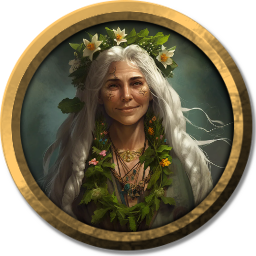
Deneir is the god of literature and literacy, the patron of the artist and the scribe. His is the power to accurately render and describe, to write and to read, and to pass on information. In legend, Deneir is often portrayed as being a scribe in service to Oghma, and he is sometimes thought of as Oghma’s right hand.
His holy symbol is a lit candle above an open eye.
Eldath, Goddess of Peace
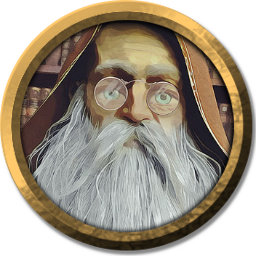
The Mother Guardian of Groves is a mysterious deity that acts as a protector of copses and watersheds. The voice of the Green Goddess is heard in every babbling brook, her presence felt wherever there is calm.
Her holy symbol is a waterfall plunging into a still pool.
Ilmater, God of Endurance and Martyrdom
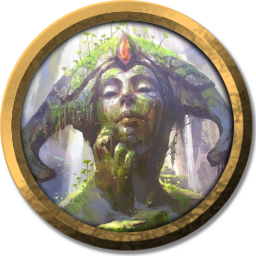
The Crying God is the patron of the suffering, oppressed, and persecuted, and the One Who Endures encourages them to endure and encourages others to help them by taking their burdens or places. The Rack-Broken Lord is a willing sufferer, bearing the pain of others to spare them from it, and it is said that if he has his way he will do so for all the suffering in the world.
His holy symbol is a hands bound at the wrist with red cord.
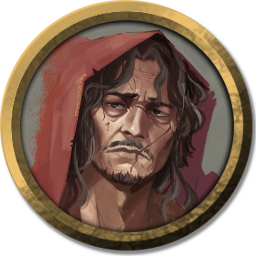
Lathander, God of Dawn and Renewal
The Morninglord is symbolized by the rising sun, but rather than being the god of the sun itself, he is the god of dawn, which represents the potential of a new day. A god of hope and beginnings, Lathander’s name is invoked at the start of new endeavors, whether sealing a new deal, or setting out on a new journey.
His holy symbol is a road traveling into a sunrise.
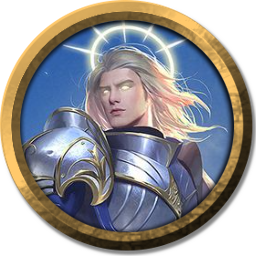
Lliira, Goddess of Joy
Everchanging and always lively, she is the embodiment of happiness and freedom, inspiring poets, musicians, and all who revel in the wonder of a free, cheerful life. The Joybringer is the archetypal ingénue dancer, showing by example that few things should draw one away from the Elysian Rigadoon, a philosophy that prioritizes above all things the act of joyful movement.
Her holy symbol is a triangle of three six-pointed stars.
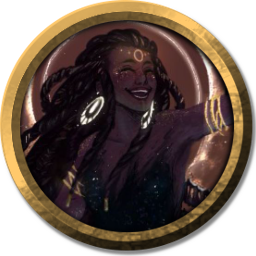
Mielikki, Goddess of Forests
People rarely speak of Lady of the Forest except in quiet forest spaces. Woodlands that evoke wonder are where she reigns supreme, but she is said to keep watch over good folk in any forest, not matter how dark or cruel. When children are lost in the woods, people beseech Mielikki to protect them until they are found.
Her holy symbol is a unicorn’s head.
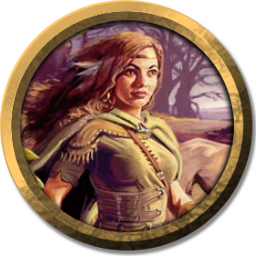
Milil, God of Poetry and Song
In the mindset encouraged by the Lord of Song, life itself is like a song, beginning at birth and ending upon death. He represents the whole song rather than just one part, such as the music or lyrics, not just the finished thought, but the whole process that took an idea from its conception to its completion
His holy symbol is a five-stringed harp made of leaves.
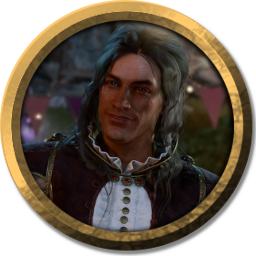
Pelor, God of the Sun
The Dawnfather is most often worshiped by the godly people of Vallyn, among others, especially people that dedicated themselves to the healing arts. He was a god of creation to many, and a stalwart opponent of evil to all. The Shining One’s doctrine taught that strength was best exemplified with generosity and penitence. Those with true power never had to demonstrate it to others.
His holy symbol is a circle with six points that radiate outwards.
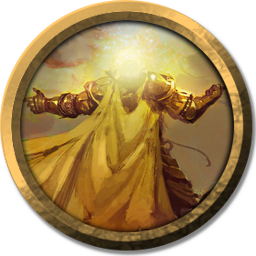
Selûne, Goddess of the Moon
Most worshippers in Vallyn consider Argenti, the Silver Moon in the sky to literally be the goddess gazing down on the world, and the stars that shine behind it to be her tears, from both joy and sorrow. She is also a goddess of stars and navigation as well as motherhood and reproductive cycles. Hers is the moon’s mysterious power, the heavenly force that governs the world’s tides, a mother’s reproductive cycles and cause lycanthropes to shift form.
Her holy symbol is a pair of eyes surrounded by seven stars.
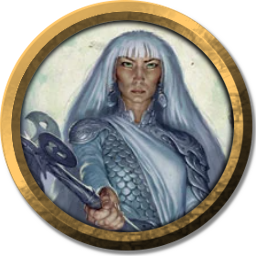
Sune, Goddess of Love and Beauty
Lady Firehair is the goddess of beauty in all its forms; not just pleasing sights, but also enchanting sounds, luxurious tastes and scents, and the exquisite pleasures of the flesh, from a lover’s caress to the brush of silk on the skin. The Lady of Love is the goddess of all love, including the more negative aspects like obsessions, murderous passions, and the tragedies that could be born from love, but also of deeper connections, of matches destined and forbidden, as well the transformation of ugliness into beauty.
Her holy symbol is a face of a beautiful red-haired woman.
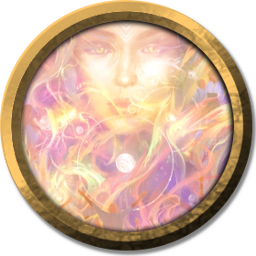
Tymora, Goddess of Good Fortune
Our Smiling Lady is said to love none so much as those who gamble with the utmost skill and daring. Yet she is thought to watch over all who take risks to better their fortunes. Commonly known as Lady Luck, Tymora shone upon those who took risks and blessed those who dealt harshly with the followers of Beshaba.
Her holy symbol is a face-up coin.
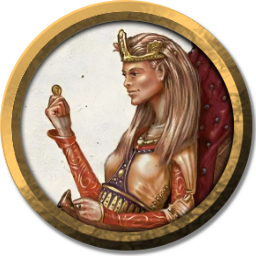
Tyr, God of Justice
The titles of The God of Justice allegorize his nature to his followers. He bears his title of the Maimed God for his missing right hand, lost in an act of bravery and self-sacrifice and his title of the Even-Handed refers to his position as the god of justice, though is also seen as dark humor. The wounded eyes of the Blind Overlord meanwhile are seen as symbolic of “blind justice” and the cost that sometimes comes with living a lawful life. His symbol however, balanced scales upon a warhammer, truly symbolize his nature; justice upheld with armed vigilance and benevolent might.
His holy symbol is balanced scales resting on a warhammer.
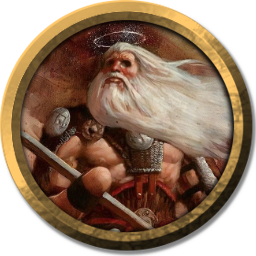
Neutral
Azuth, Lord of Spells
Azuth is the lesser deity of arcane magic whose concerns includes the perpetuation of the magical arts as a craft. The Lord of Spells is a servant of Mystra and is worshiped by all manner of arcane spellcasters, earning particular veneration from wizards.
His holy symbol is a left hand, wreathed in flame, pointing skyward.
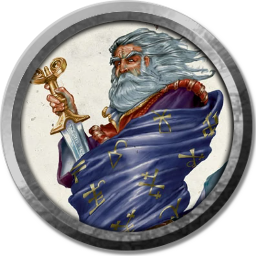
Erathis, Goddess of Civilization and Laws
The driving inspiration behind many great inventions, the creation of vast cities, and law and order within society, the Lawbearer claims dominion over civilization. Judges and lawful rulers pay respect at her temples, which are central structures in major cities around the world. Peace and order - through structure and law - guide the will of her devout followers.
Her holy symbol is a double-headed axe inset with a pattern of scales.
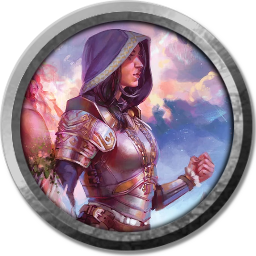
Gond, God of Craft
The Lord of All Smiths has many forms and names, and under all of them pushed for innovation and imaginativeness, sometimes to a dangerous degree, as a result of his short-sighted desire to create. Anyone who is crafting something might say a prayer to Gond to guide the work, but folk know that Gond smiles most brightly upon new inventions that others find useful.
His holy symbol is a toothed cog with four spokes.
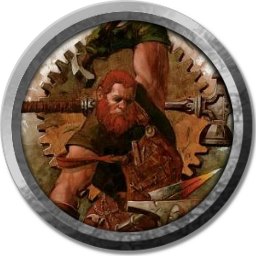
Helm, God of Guardians and Protectors
The Vigilant One has long been seen as a cold and focused deity who impartially took the role of defender, and sometimes enforcer. The Watcher is the epitome of the vigilant guardian and embodiment of the spirit of watchfulness, whether used for good or ill. He is venerated by those who need to remain watchful for enemies or danger. Helm is a favorite deity of people who make a living by protecting someone or something, such as bodyguards, members of the city watch, and the guards of a treasury vault.
His holy symbol is an upright left gauntlet with a staring eye on it.
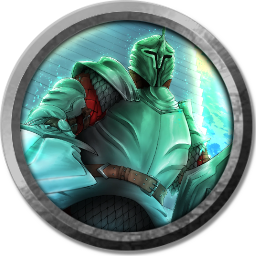
Hoar, God of Revenge and Retribution
The Doombringer spent some time as an exarch of Bane and is invoked by those who would have an eye for an eye. He isn’t typically worshiped habitually, but his name is invoked by those who seek vengeance. When a guilty party falls prey to fate - such as when a murderer escapes prosecution, but is then accidentally slain himself - the hand of Hoar is given credit.
His holy symbol is a coin with a two-faced head.
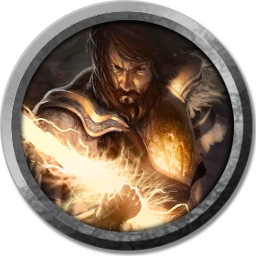
Ioun, Goddess of Knowledge
Ioun, the Knowing Mistress, also known as the Knowing Mentor is the goddess of knowledge, prophecy, and skill. Revered by seers, sages, and teachers of all walks of life, Ioun sits among the infinite library in her hidden realm, her celestial servants cataloging all known things as she inspires those who pray for her insight and guidance. She opposes Vecna, who deals in dark secrets and hidden knowledge.
Her holy symbol is a pair of open eyes crowned with a third open eye.
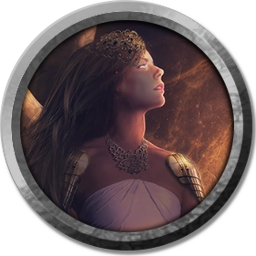
Jergal, Scribe of the Dead
Jergal was the Lord of the End of Everything, Vallyn’s original god of death before he eventually ceded his position. Caring for little besides an orderly accounting of the fate of the world as it slowly sinks into death, the Final Scribe is the one who keeps the records of the ultimate fate of all the dead.
His holy symbol is a skull biting a scroll.
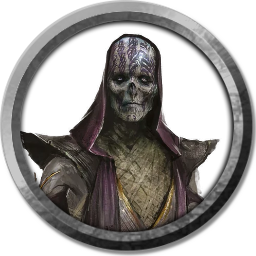
Leira, Goddess of Illusion
The Lady of Mists has worn many masks, and more than once has been thought to be dead or to be another deity altogether. Perhaps such a reputation is only natural for the goddess of illusion and deception. Her faithful agree that whatever the “truth” might be, their Lady takes great delight in the confusion sown by her various incarnations.
Her holy symbol is point-down triangle containing a swirl of mist.
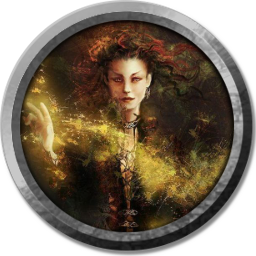
Mask, God of Thieves
Mask is a trickster god, god of intrigue, the patron of ne’er-do-wells, spies, and thieves. All that occurs within shadow is in the purview of Mask. People whisper a prayer to Mask whenever stealth is required or intrigue is afoot. Courtiers and diplomats invoke the god’s name in hopes of a smooth negotiation.
His holy symbol is a black mask.
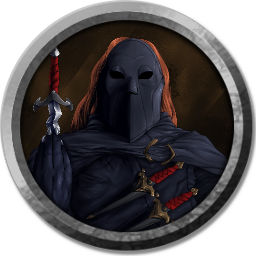
Oghma, God of Knowledge
Above all else, Oghma represents knowledge in its most supreme, raw form - the idea. The Binder’s domain is nothing less than the whole of knowledge and thought, whether they were written down, spoken aloud, or even still remained in the mind, for the idea is the purest and highest incarnation of knowledge.
His holy symbol is a blank scroll.
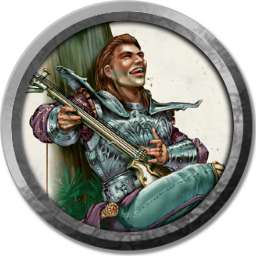
The Raven Queen, Goddess of Death and Fate
The Matron of Ravens is the most recent addition to the pantheon of Vallyn. Originally a mortal woman, she ascended to godhood and cast down the previous god of death, Myrkul, 152 years ago. After her ascension, her true name has long been lost. The Raven Queen is also considered the goddess of twilight, fate and the passage of time, presiding over the transition between life and death.
Her holy symbol is a raven’s head, in profile, facing left.
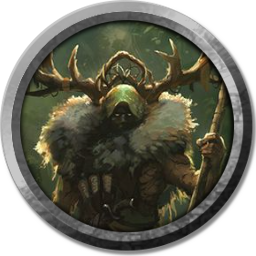
Silvanus, God of Wild Nature
The Oak Father represents the entirety of nature, deserts as well as forests, sharks as much as deer. Silvanus is thought of as a grim and severe father figure who metes out flood and drought, fire and ice, and life and death in the wilderness. He stands in contrast to the more ordered, agrarian nature represented by the goddess Chauntea.
His holy symbol is an oak leaf.
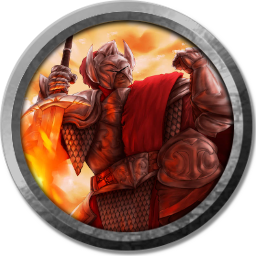
Tempus, God of War
The dogma of the Lord of Battles is primarily concerned with honourable combat, forbidding cowardice and encouraging the use of force of arms to settle disputes. To the Foehammer, war is a force of nature to be respected, for it has the power to remake civilizations. The god of war is random in his favors, meaning that his chaotic nature favors all sides equally. Lord Tempus might be an army’s ally one day, and its enemy the next.
His holy symbol is an upright flaming sword.
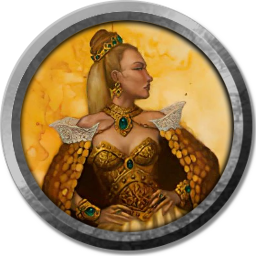
Waukeen, Goddess of Trade
Liberty’s Maiden is a goddess of commerce and the accumulation of wealth through free and fair trade, as well as the beneficial use of wealth to improve civilization. At the same time The Golden Lady is the goddess of illicit trade and the patron of many smugglers, fences, black marketeers, and “businessmen” on the shady side of commerce.
Her holy symbol is an upright coin with Waukeen’s profile facing left.
Evil
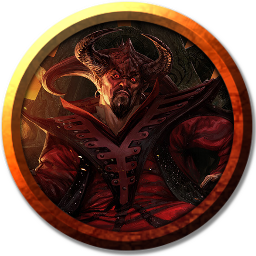
Asmodeus, God of Indulgence
The greatest devil and ruler of all devilkind, the Lord of the Ninth is overlord of all the Nine Hells. From his throne at the bottom of Baator the Lord of Lies reigns over his kingdom of unyielding tyranny, ceaseless warfare and political intrigue. It is said that Asmodeus was once an Archangel, among the deific exemplars of chastity and virtue, before succumbing to the corruption of Pazuzu, leading to his fall from grace.
His holy symbol is three inverted triangles arranged in a long triangle.
Auril, Goddess of Winter and Cold
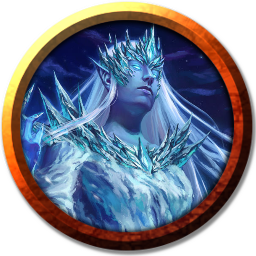
The embodiment of winter’s cruelty and all its deadliest aspects, Lady Frostkiss has a heart of ice to match her lethally cold beauty, eternally preserved beneath a sheet of rime. The merciless goddess of cold and winter, is worshiped mostly in regions that are affected by deep winters. Folk propitiate Auril with offerings and prayers for mercy. Her priests warn others to prepare for winter, and to stock extra provisions in order to have some to spare as offerings to the goddess.
Her holy symbol is a six-pointed snowflake.
Bane, God of Tyranny
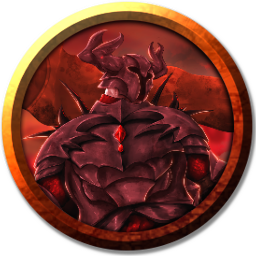
Bane is the god of tyrannical oppression, terror, and hate, known across Vallyn as the face of pure evil through malevolent despotism. The Black Hand has a simple ethos: the strong have not just the right but the duty to rule over the weak. Bane is an ancient god, one of three former mortals who were raised to deityhood when Jergal grew weary of his divine duties and distributed his influence between them.
His holy symbol is an upright black right hand, thumb and fingers together.
Beshaba, Goddess of Misfortune
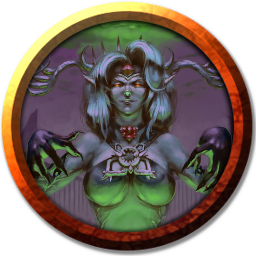
Lady Doom is the equally acknowledged counterpart of Tymora, Lady Luck, and demands worship to keep her misfortunes at bay. Most fear her presence, but few would risk not invoking her name and inviting her to any event, lest she take offense and wreak havoc upon all involved.
Her holy symbol is black antlers.
Bhaal, God of Murder
Bhaal is the widely feared Lord of Murder is the god of murder, violence and ritualistic killings**.** The folk of Vallyn don’t normally pray to or acknowledge Bhaal. He is seen as a deeply evil and destructive deity who hungers for death - meaning the death of any sentient beings through unlawful means. Bhaal is an ancient god, one of three former mortals who were raised to deityhood when Jergal grew weary of his divine duties and distributed his influence between them.
His holy symbol is a skull surrounded by ring of bloody droplets.
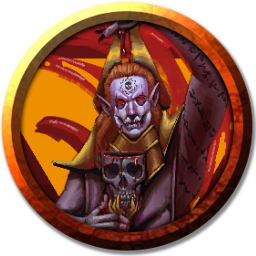
Loviatar, Goddess of Pain
The Maiden of Pain is the master of inflicting physical and psychological suffering, her portfolio encompassing hurt and torture. Pain isn’t a means to an end for Loviatar’s faithful, but an end unto itself. To them, nothing is as transcendent as suffering, and all pain is holy, from the crudest barbarism, to the most sublime torture, to the emotional suffering of the heartbroken or the betrayed.
Her holy symbol is a nine-tailed barbed scourge.
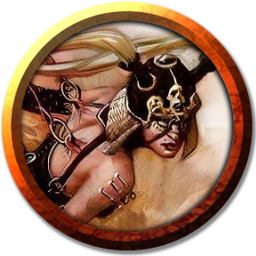
Malar, God of the Hunt
The Beastlord epitomizes the dark side of nature, the world that is red in tooth and claw. His faithful believe the hunt is the center point between life and death - the facing off of hunter and prey, forcing the issue of who lives and who dies. People believe that Malar can’t be propitiated and knows no mercy, so he receives prayers only from those engaging in a hunt. Such supplicants pray to Malar for two reasons: to beg the aid of his peerless skill as a hunter, or to adopt his fearsome mantle and thus ward off other predators.
His holy symbol is a clawed paw.
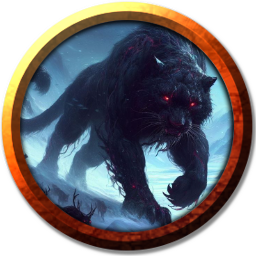
Shar, Goddess of Darkness and the Night
The dark twin of Selûne, Shar is the goddess of darkness, both in its physical form and as it exists in the minds and souls of mortals. People worship Shar as the goddess of night, secrets, loss, and forgetfulness. She represents pains hidden but not forgotten, and vengeances carefully nurtured away from the light. She is said to have the power to make folk forget their pain or become inured to a loss, and many people in distress pray to Shar for such a blessing.
Her holy symbol is a black disk with a purple border.
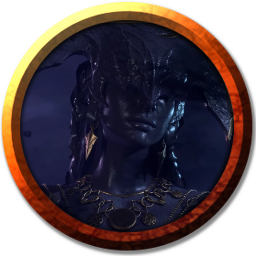
Talona, Goddess of Poison and Disease
Where the Lady of Poison walks, death and disaster followed, and she is blamed for all manner of ailments, ranging from common sicknesses and devastating diseases to brackish wells and failing crops. Depicted in temple iconography as a withered crone with a cup or a vase that holds all the varieties of disease and poison, Talona is a fearsome goddess, and many are the prayers that beg her for protection from illness and poison.
Her holy symbol is a three teardrops in a triangle.
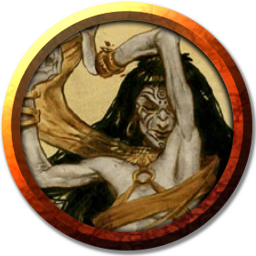
Talos, God of Storms
The Storm Lord is the destructive side of nature, the uncaring and destructive force that might strike at any time, whose self-serving dogma demanded utter obedience from his priests, instructing them to spread destruction where they might. He is the god of storms, forest fires, earthquakes, tornadoes, and general destruction.
His holy symbol is a three lightning bolts radiating from a point.
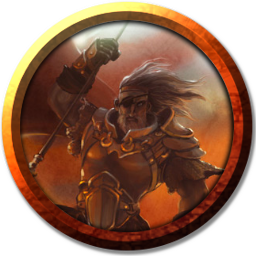
Umberlee, Goddess of the Sea
The Bitch Queen is worshiped out of fear instead of adoration, as no community that lives by the sea can ignore the influence of Umberlee, the furious goddess whose tempestuous nature reflects and is reflected by the waters of the deep. Any such community makes sure to host festivals to propitiate the Wavemother and seek her favor. Although mercurial in temperament, she can be generous to those who do her honor, as is any great queen.
Her holy symbol is a wave curling left and right.
,
Elven and Drow Gods
Elven
Corellon Larethian, Father of Elvenkind
The patron god of all elves. He is the creator and preserver of the Tel’Quessir, governing those things held in the highest esteem among elves, such as magic, music, arts, crafts, poetry, and warfare. Corellon lives in the realm of Arvandor. He approves of those who killed orcs and followers of Lolth, blesses those who aids others, and becomes angered at those who defile the dead, or flee from their foes.
His holy symbol is a quarter moon or starburst.
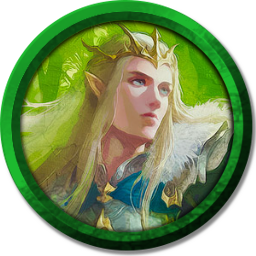
Sehanine Moonbow, The Lady of Dreams
The Elven goddess of death, dreams, heavens, journeys, moon (full moon to be precise), Moon elves, stars, and transcendence as well as being the most powerful female member of the Seldarine. The Lunar Lady is a very protective deity towards elves. She sends omens to keep her people from danger, crafts illusions around elven hideouts like those in Enya or Rea Eloras to keep them hidden and safe from outside forces.
Her holy symbol is a full moon under a moonbow.
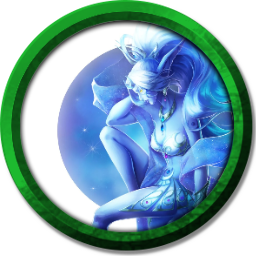
Aerdrie Faenya, The Lady of Air and Wind
The firstborn daughter and Aspect of Akadi, known as the Lady of Air and wind. She helped create the Primordial tree with Akadi and serves as its protector. Her appearance is that of a slender elf with large unfurled wings on her back.
Her holy symbol is a bird silhouetted against a cloud.
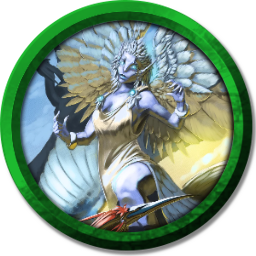
Tarsellis Meunniduin, Patron of the Snow Elves
The minor elven god of mountains, rivers, and the wilderness, as well as the patron deity of the snow elves. Tarsellis is a solitary figure amongst the Seldarine, considered rustic by the other elven gods. According to one elven myth, Tarsellis was one of the original elven gods who Corellon ascended to divinity by giving a unique name. Snow elves alleged themselves to be the direct descendants of Tarsellis, alleging that to be the cause of some of their differences to other elves, and though most elven scholars were skeptical, the Lord of the Mountains did not seem displeased with his children’s dedication.
His holy symbol is a mountain with a river.
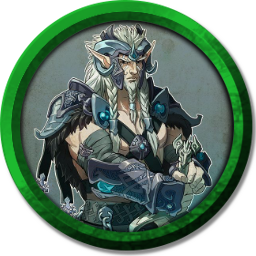
Rillifane Rallathil, The Leaflord
The deity of the Seldarine who oversees woodlands, wild elves druids and nature. When the Or’Tel’Quessir (Wood Elves) settled in the forests of Enya, the Seldarine merged with the ancient gods of the Yuir (Wild elves), taking them on as aspects. Magnar the Bear and Relkath of the Infinite Branches became a part of the Leaflord. As a result of these changes, over the centuries since, the Wild One once more become more primordial in spirit
His holy symbol is an oak.
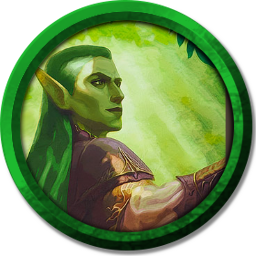
Deep Sashelas, The Lord of the Undersea
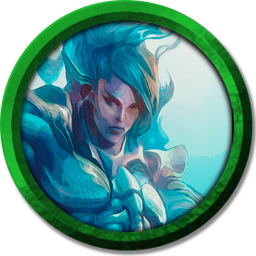
The elven deity who made his home on Arvandor, although he is rumored to maintain a demesne off the coast of Edhellond. Deep Sashelas is mainly worshiped by the sea elves, as he is their patron deity and creator. In each of their settlements, there is a temple dedicated to the Dolphin Prince that typically looks like a giant shell. Sometimes, other races seek him as a patron out of an interest in water magic.
His holy symbol is a dolphin.
Drow
Lolth, The Queen of Spiders
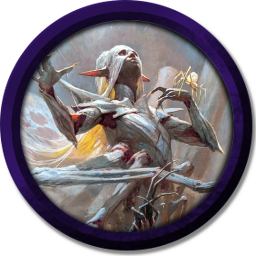
Lolth, once known as Araushnee, is the most influential goddess of the drow, within the pantheon of the Dark Seldarine. Lolth is a goddess of cold cruelty not out of place in the darkest depths of the endless Abyss, revelling in betrayal and bloodshed and toying with everyone from her minions to her victims. She not only enjoys, but thrives upon torture, destruction, and death, whether personally performing it or causing it. Every interaction is ultimately done with malice.
Her holy symbol is a spider.
Vhaeraun, The Masked Lord
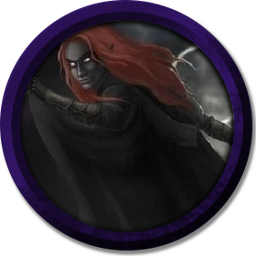
The drow god of drow males, thievery, territory, shadow magic, spellfilchers and evil activities on the surface, aimed to further drow goals, interests, and power there. Vhaeraun is the son of Araushnee(Lolth) and Corellon Larethian. He holds the unique view among drow that males and females are equally valuable and is primarily prayed to by those drow males who seek a better life than slavery under Lolths’s matriarchy and who opposes it.
His holy symbol is a black mask with blue glasses inset over eyes.
Eilistraee, The Dark Maiden
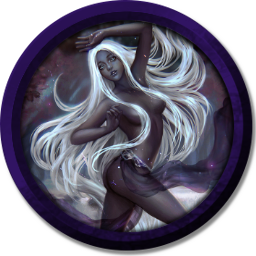
The Goddess of beauty, song, dance, freedom, moonlight, sword work, and hunting, within the drow pantheon known as the Dark Seldarine. She is the patroness and protector of the few dark elves who longed to return to the surface and live there, at peace with other races, and to abandon the endless conflicts and intrigues that dominated the lives of most drow.
Her holy symbol is an unclad female drow with long hair dancing before a full moon with a silver bastard sword.
,
Dwarven, Halfling and Gnome Gods
Dwarven
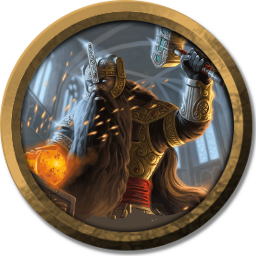
Moradin, The Soul Forger
The Soul Forger is strength incarnate and force of will embodied, a harsh but fair judge who evaluated his creations by the goodness of their works first and intentions second. The Dwarffather inspires dwarven inventions and constantly seeks to improve their race, encouraging a good-natured, intelligent, and harmonious existence with other good races while battling their pride and isolationist tendencies.
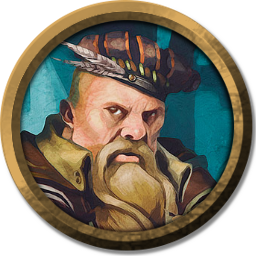
Vergadain, The Merchant King
The Merchant King represents the dwarven well-known dedication to the mercantile art of bargaining, those who knew better were aware that he has an aspect that seldom filled the more legal-minded dwarves with pride. As such, The Laughing Dwarf, as he is called by non-dwarves, also watches over those dwarves who used less-than-legal means to gain wealth. Regardless of how he is viewed, Vergadain delighted in the art of the deal, no matter what it was, so long as it turned a profit.
Dumathoin, The Silent Keeper
The patron of Shield Dwarves, and the dwarven deity of mining and underground exploration and is known as the Keeper of Secrets Under the Mountain. He is also the protector of the dwarven dead. His holy symbol is a cut, faceted gem inside a mountain.
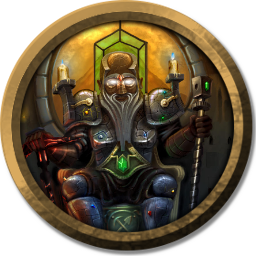
Abbathor, The God of Greed
The Great Master of Greed represented the major weakness of dwarvenkind, the treasure lust that is their worst aspect. The Trove Lord was once concerned with the natural beauty of gems, but after being denied the position he had coveted since birth, he abandoned dwarven honor for trickery and would do whatever it took to never be denied again
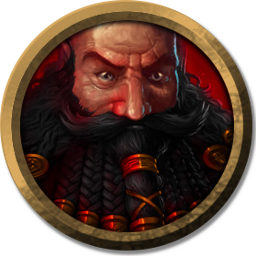
Clangeddin Silverbeard, The Father of Battle
The Lord of the Twin Axes, as attested by his Holy symbol embodied the warrior spirit that made dwarven armies so formidable, and the Father of Battles lived, breathed, and in some ways died for warfare.
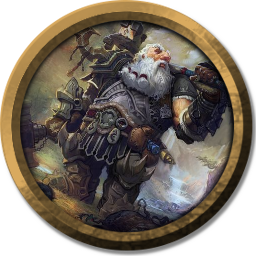
Laduguer, The Exile
The Exile harboured a bitter resentment against the rest of the Mordinsamman ever since he was cast out, although he maintained he left voluntarily. The Gray Protector is a xenophobic god with a doctrine of empowerment through slave exploitation and protection through an unforgiving military program, urging his followers to avoid contact with other races save for limited trade and slave raids
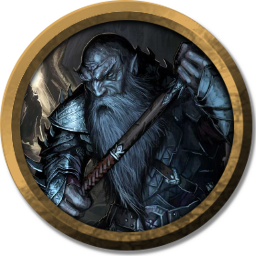
Halfling
Yondalla, The Nurturing Matriarch
The creator of the halfling race and matriarch of not only the halfling pantheon, but the whole race itself. With her charming personality and friendly demeanour she is an example to all halflings; who almost all shared her curiosity, loyalty and sense of mischief.
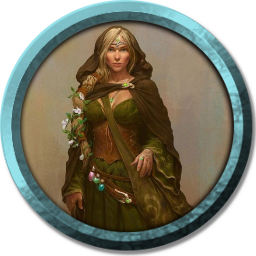
Dalla Thaun, The Lady of Mystery
Dallah Thaun is the dark twin of Yondalla, who acted from the shadows to protect and avenge halflings as well as to help them towards prosperity and mischief. She is also responsible for guiding the souls of halflings to the afterlife. As an aspect of Yondalla, she was both separate yet the same being, and her existence is kept utterly secret from those outside of the halfling community
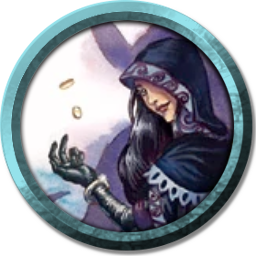
Brandobaris, The Friendly Rapscallion
He is the misapprehensions of halflings held by most races in divine form. He is constantly scheming and meddling, as he is curious and with a short attention span. Where the tall races would put more interest in one’s purse than his character, Brandobaris cares for character more.
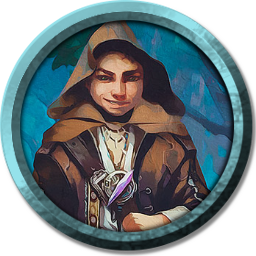
Avandra, The Changebringer
Avandra is the goddess of freedom, trade, travel, adventure, and luck. She encourages her followers to venture into the unknown. Her nature leads to few temples dedicated to her in the centers of civilization, but they can be found near well traveled roads. Her worshipers include merchants, free spirits and adventurers
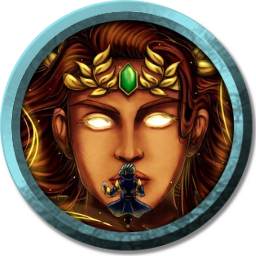
Gnome
Garl Glittergold, The Father of All Gnomes
The Watchful Protector, is a lawful good greater deity of gnomes. Garl leads the Lords of the Golden Hills as the deity of luck, protection and trickery. According to legend, Garl Glittergold was exploring underground when he found a new cavern, and inside, a new people—the gnomes. He told them a joke and then led them out into the wider world.
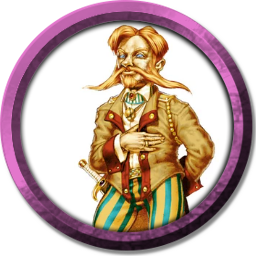
Callarduran Smoothhands, Deep Brother
He is primarily venerated as the patron of the Underdark-dwelling gnome subrace, the svirfneblin. Callarduran is a distant ally of the other non-evil deities of the gnome Pantheon. He is also loosely linked to the other patrons of non-evil Underdark deities, such as Eilistraee.
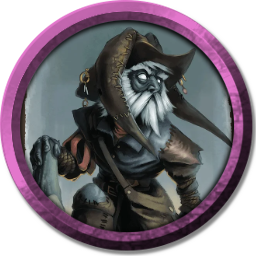
Flandal Steelskin, Lord of Smiths
The gnomish god of mining and smithing, an excellent craftsman with an unerring nose for finding metals in the earth. He is also concerned with the skills of gnomes working as artisans and craftsmen of all kinds.
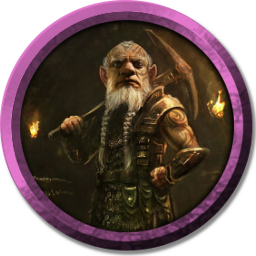
Gaerdal Ironhand, Shield of the Golden Hills
The patron of warriors and protectors of gnomish communities. As such, he is honoured in some manner by nearly all good aligned gnomes, and one or two crusaders of his could be found in most sizable settlements. His symbol is an iron band, usually worn on the upper left arm.
,
Deities of Other Races
Giants
Annam All-Father
The head of the Giant pantheon is the All-Father, but most giants view him as a remote, disinterested, or deeply disappointed father who has little role to play in giant life any more. The other five gods, generally recognized as his children, are more important in most giants’ view. Annam All-Father is the chief giant deity and creator of the giant race, known also as the Prime, the Progenitor of Worlds, the Great Creator, and the Creator-By-Thought. He is often described as an all-knowing god whose deep learning, profound meditations, and expansive philosophy offer endless wisdom for his descendants to study.
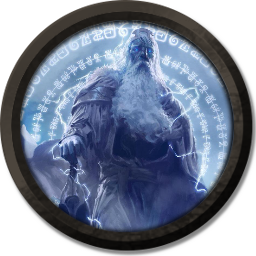
Grolantor, Hill Giant God of War
A brash braggart who takes enormous pride in his great strength (which some would say is his only redeeming quality). Tales of Grolantor’s exploits highlight his strength and his insatiable hunger, and most of them end with him in conflict with one of his siblings. To hill giants, these stories make Grolantor a figure to be admired. Other giants think he is a selfish boor who has no respect for the ordning, as Grolantor refuses to see why his status should not be equal to that of Stronmaus and his other brothers.
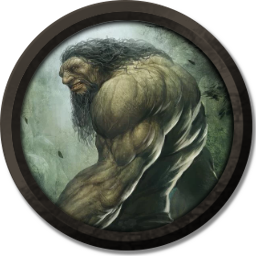
Skoraeus, God of Stone Giants and Art
Despite being the fifth of Annam’s sons, Skoraeus is depicted as the wisest among them, particularly knowledgeable about magic, wards, hidden treasures, and the secrets of the earth. It is said he gave Surtur the secret of smelting and showed Thrym how to carve magic runes on weapons. A dour loner, Skoraeus often sits on the sidelines during the schemes and battles of his siblings. He appears in one myth after other as an observer, a confidant to the other gods, and a keeper of secrets.
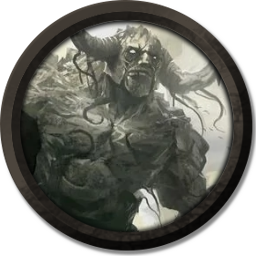
Stronmaus, God of Storm Giants, Cloud Giants and the Sky
Annam’s eldest child is jovial Stronmaus, whose greatest failing in myth is his inability to see the foolishness, jealousy, and outright evil that festers in the souls of his brothers. His boundless energy, sunny optimism, and zest for life pervade the legends that tell of his many mighty deeds. A few tales, though, describe a dramatic change in Stronmaus after his father’s withdrawal from the Ordning, which left Stronmaus effectively in charge of the pantheon. Since then, Stronmaus has become brooding, aloof, and melancholy, deeply frustrated with his inability to unite the gods of the Ordning—and hurt by hisfather’s abandonment.
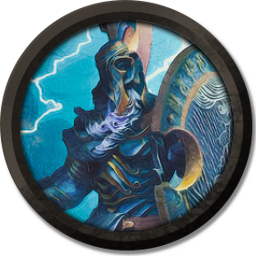
Surtur, God of Fire Giants and Craft
Surtur is the elder twin of Thrym, and rivalry has driven the two gods from the moment of their birth. Surtur is generally depicted as the cleverer of the two, often outwitting his brother in contests where Thrym’s greater strength might otherwise let him prevail. Aside from his escapades involving Thrym, Surtur is known for his unsurpassed skill at metalwork, especially forging weapons and armor.
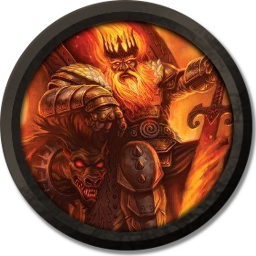
Thrym, God of Frost Giants and Strength
As Surtur’s younger twin, Thrym is described in myths as his brother’s rival and coconspirator. He is depicted as the stronger and braver of the two, and he often comes out on top in contests and conflicts where those qualities outweigh Surtur’s cleverness. Thrym appears in myth as the greatest warrior of the Ordning. He leads bands of mortal giants in raids and skirmishes, bringing glory to giantkind and striking terror into the enemies of Annam’s children.
Orcs and Goblinoids
Maglubiyet, Goblinoid God of War
Maglubiyet, known as The Mighty One or The High Chieftain is the chief deity of goblins and hobgoblins, as well as an exarch of Bane. He is a god of war and leadership who ruled over all the goblinoids with an iron fist. As a god of war and a great general he was also known as The Battle Lord.
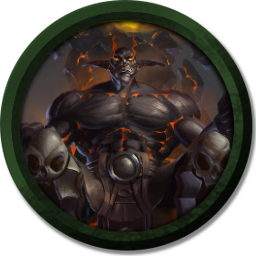
Hruggek, Bugbear God of Violence
Hruggek is the chief deity of bugbears, and is the god of ambush, violence, and combat. At one time he was an exarch of Bane. Bugbears believe they gained their massive size and prodigious strength from him, and have inherited his sense of bravery and superiority in combat.
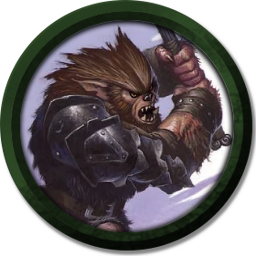
Gruumsh, He Who Watches
The Ruiner commands roving hordes of barbaric marauders across the lands to destroy, pillage, and slaughter for the joy of it. Orderless and without honor, the creeds of the evil lord goad all living creatures to shrug off the oppressive chains of courtesy and civilization and to devour the world around them, giving in to the chaotic and selfish nature of the predator.
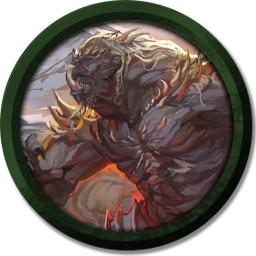
Luthic, The Cave Mother
While Gruumsh is the external force that pushes the orcs to victory over their enemies, it is the influence of Luthic, his wife, that binds them together and makes the orcs internally cohesive. She is the force that keeps the explosive rage of Gruumsh from bursting the orcs apart. If it was not for the followers of Luthic, it is possible that the race of orcs would be no more than small bands of warrior-nomads, scratching out a meager existence, rather than a force capable of great destruction.
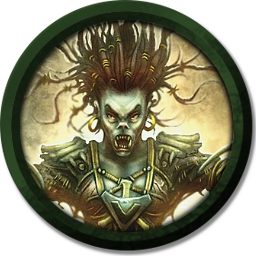
Yuan-ti
Sseth, the Master of the Pit
Though the Master of the Pit is not conscious, neither is he entirely dormant. Mirroring the fate of yuan-ti in the world, Sseth entered a deep slumber when the serpent folk left the surface and went into hiding in ages past. It is unclear if declining worship caused him to fall asleep, or if his prolonged torpor caused his worshipers to abandon him. Even in his compromised state, Sseth grants spells to his clergy in response to their invocations. Rousing him for advice or direct intervention is possible, but requires many ritual murders to be performed in his name, and his return to consciousness lasts only a short time.
Dendar, The Night Serpent
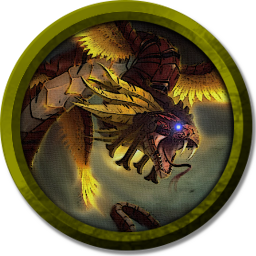
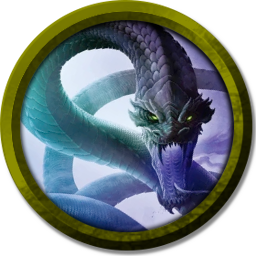
The Night Serpent came into being before recorded history, spawned from the feverish dreams of the first intelligent creatures. She subsists and grows stronger by feeding on the fears that plague the folk of the world. Her followers believe that Dendar is a harbinger of the end of things, which will come when she amasses enough power to consume the world. Another legend concerning her speaks of an iron door to the underworld behind which she lurks; when the time is right, she will tear it down, then eat the sun, plunging the world into darkness before she finally devours it. Various ancient Yuan-ti religious writings allude to the fact that Dendar may have been a Dawn Titan.
,
Demon Lords and Archdevils
Demon Lords
When Tharizdun created the Abyss, he needed beings to inhabit it, rule it in his stead, and to command his armies. And so he went and sought out various inhabitants of the material plane, twisting them into the Abyssal images that now have become known as the Demon Lords that rule the Abyss.
Over the millenia, Demon Lords have came and went. Some of the most ancient and powerful are called Demon Princes. The following Demon Lords and Princes are some of the most known and feared.
Demon Lords are at almost constant war in between various layers of the abyss, as one of the few things almost all of them have in common is their desire to conquer the entirety of the Abyss.
Demogorgon
Demogorgon is a demon prince and lesser deity of domination and the draining of energy, an embodiment of madness and destruction that seeks to drag all down into the infinite depths of the Abyss. Inspiring fear in even other demon lords, his self-proclaimed title of Prince of Demons was won by virtue of power and influence; many demons have tried to challenge it, but none have been able to defeat Demogorgon and claim it.
Nethrak, Hand of the Abyss
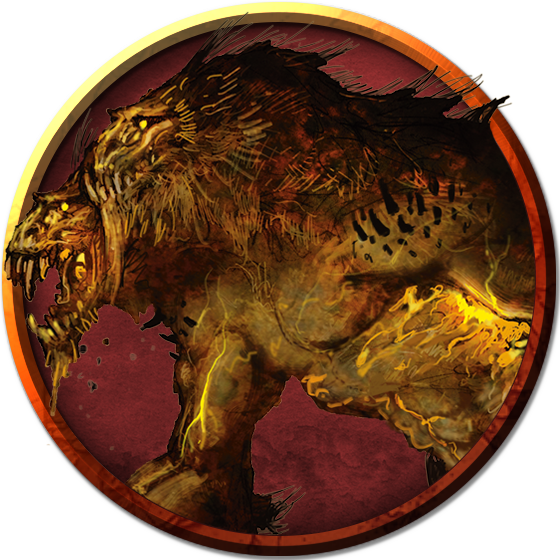
Nethrak is a demon prince and the right hand of Tharizdun. Nethrak was once the celebrated Aspect of Torm and a devout follower of justice. He became known as the aspect of the unyielding blade and carried out his duty to its greatest extent. Over time his sense of justice became twisted and absolute and Torm, unwilling to see his fault, failed to prevent his corruption at the hands of Tharizdun. Nethrak, who was once Torm’s most loyal servant and friend, became his executioner. Empowered by Tharizdun’s gifts, he drove his sword through Torm’s back, and was from then on known as “The Hand of The Abyss”.
Orcus
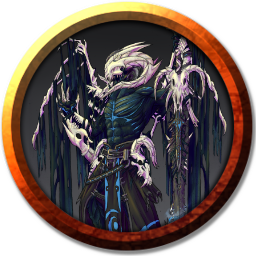
Orcus is a demon prince and serves as master of the undead from the depths of the Abyss. Returned from undeath but not technically alive, the Demon Lord of Undeath is the multiverse’s staunchest advocate for stagnation, seeking to exterminate all life, to darken and desolate all worlds, until all that remains in his static reality are undead moved only by his will. The Blood Lord was believed to be one of the mightiest demon lords, one that inspired dread in the hearts of gods. The Shadow That Was was among the powers of the Abyss most often worshiped as deity by the mortals of the Material plane, and even more than the Prince of Demons himself, has been and is close to obtaining true divinity.
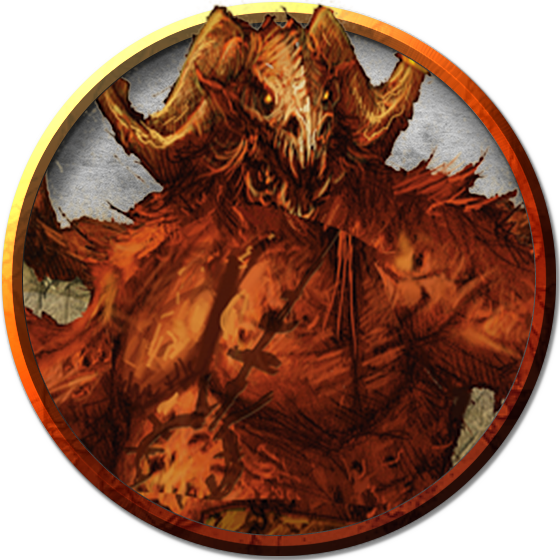
Graz’zt
Graz’zt is the demon prince of pleasure, decadence, and unlimited self-indulgence, as well as the patron of corrupt authorities and tyrants who would rule by force. He rules the 45th, 46th, and 47th layers of the Abyss, known as Azzagrat or the Triple Realm. The appearance of the The Dark Prince belies the true depths of his wickedness, his existence a warning that not all that is beautiful is also good. All things are but playthings in the eyes of the Prince of Pleasure, he simply hasn’t claimed them yet.
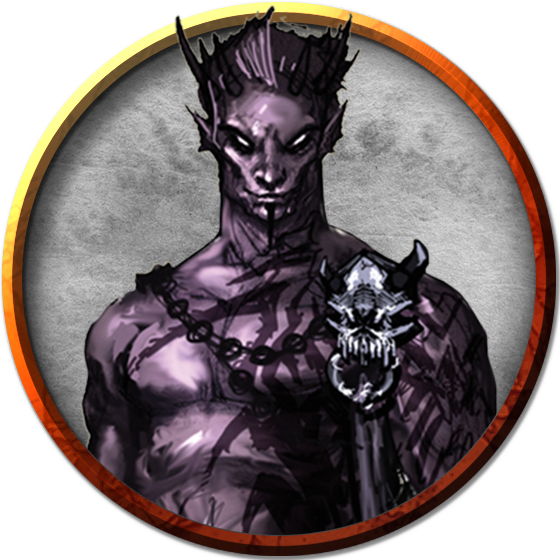
Baphomet
Baphomet is het demon lord who rules the layer of the Abyss called the Endless Maze. He is the Prince of Beasts, an embodiment of savagery and an insidious force that worms its way into the heart of his followers to deceive them into embracing brutality. He and his followers, which are mostly minotaurs, believe that all creates are beasts at heart, and only delusion is preventing them from seeing the truth.
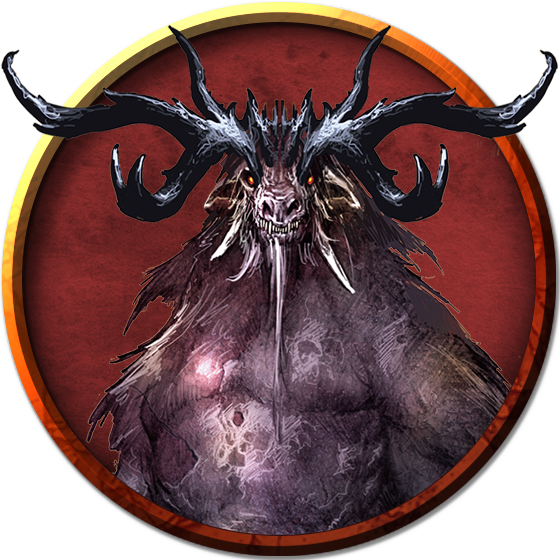
Yeenoghu
Yeenoghu is the chief being worshiped by gnolls. Dedicated only to destruction, the Ruler of Ruin seeks the collapse of civilization and he will brutally butcher all that stand between him and his rabid slaughter. His demands for his followers are simple: Kill.
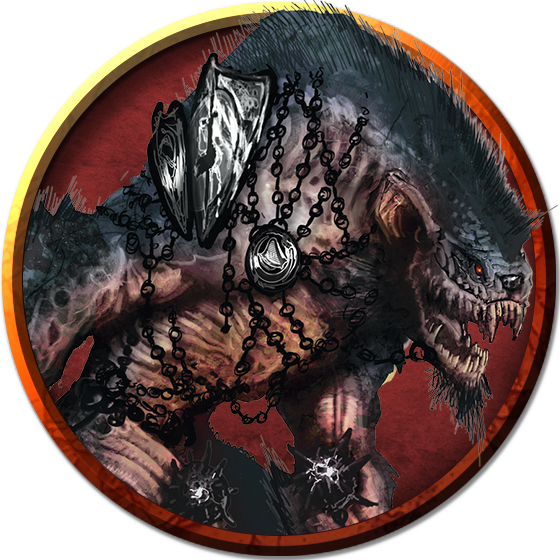
Juiblex
Juiblex is the demon lord of oozes and shapeless things, a being that exemplifies the corruptive nature of the Abyss and that is almost glorious in its unrivaled obscenity. Ridiculed by its peers as “Lord of Nothing”, the Faceless Lord is, even to them, a demon as revoltingly vile in body as it is inscrutably aberrant in mind.
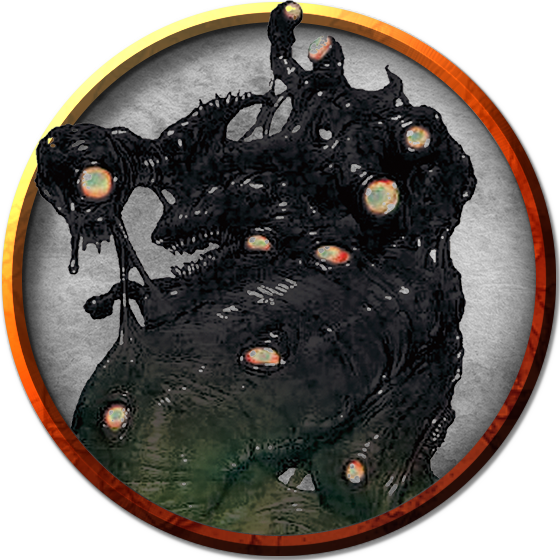
Fraz-Urb’luu
Fraz-Urb’luu is the demon lord known as the Prince of Deception. He is known as the true and final master of the magics of illusion and deception, of undetectable compulsions and altered memories. Those who seek to enter his lair with minds unshielded can rely upon the fact that he is and always has been the final architect of whatever plan led them to this madness.
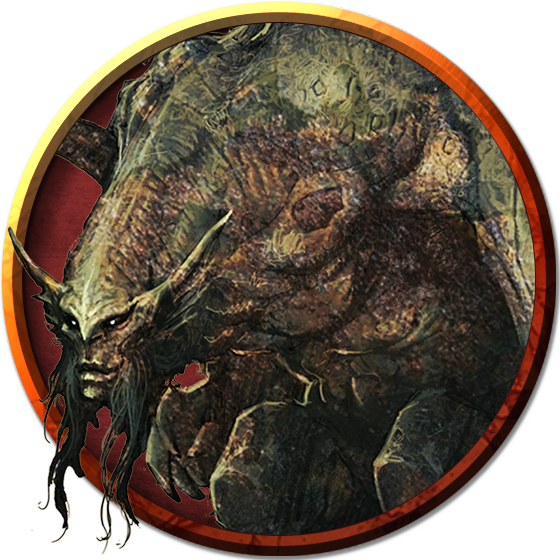
Kostchtchie
Kostchtchie, known as the Prince of Wrath, is the demon lord of rage and patron of frost giants. On his most recent visit to the Nine Hells, Kostchtchie was defeated by the archdevil Zariel, who took his hammer and chained him at the bottom of this chasm, knowing that killing him would simply cause him to re-form on his icy layer of the Abyss.
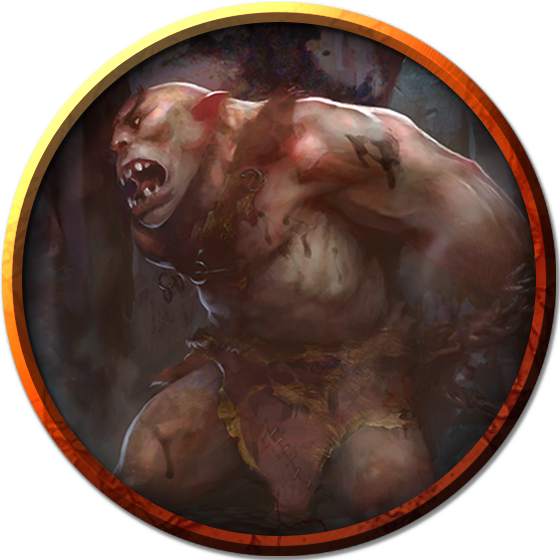
Malcanthet
Malcanthet is a demon prince. She is also called Queen of Succubi. She delights in corruption and taking the purity of others, especially those who worship deities of virtue, mostly through bodily lust and acts of physical depravity. Like most demon princes, she has a long list of enemies, but her list of lovers and consorts is equally long. Among these are Pazuzu, and Demogorgon, with whom she has had several children.
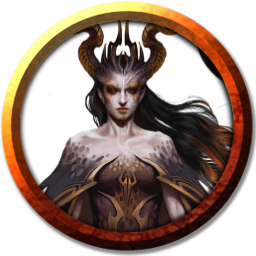
Zuggtmoy
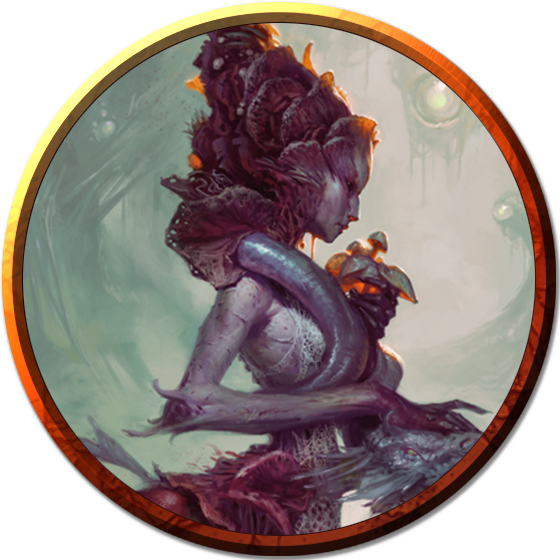
Zuggtmoy is a demon lord know as the Queen of Fungi, but not considered a true patron of fungi. She is merely the embodiment of the death and virulence that fungi represents, and is fully willing to subvert the natural order for her own ends. The Lady of Rot and Decay does not use decomposition for the higher purposes of renewal or rebirth, desiring destruction purely for its own sake.
Pazuzu
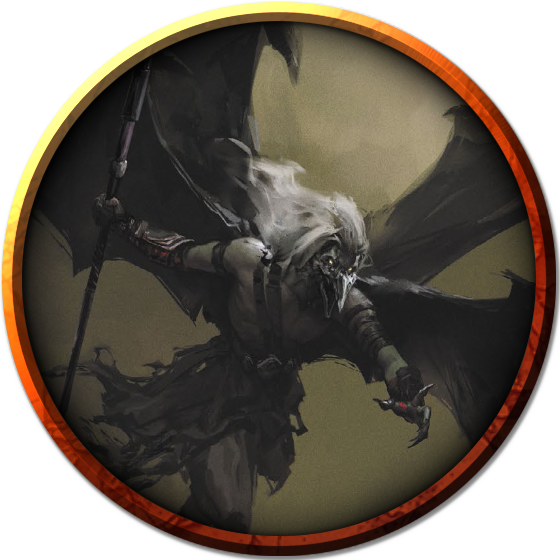
Pazuzu is a powerful demon lord and one of the eldest and most reprehensible of them. He is also called the Dark Angel of the Four Winds and the Prince of the Lower Aerial Kingdoms. He holds sway over all evil flying creatures, even among the different layers of the Abyss. Unlike most demon lords, Pazuzu is not interested in the conquest of the Abyss. His passion is for corruption. He is fond of corrupting mortals, especially the innocent and honest. Some believe that Pazuzu is the entity responsible for the ultimate corruption—that of the angel Asmodeus.
Archdevils
Zariel, Lord of the First
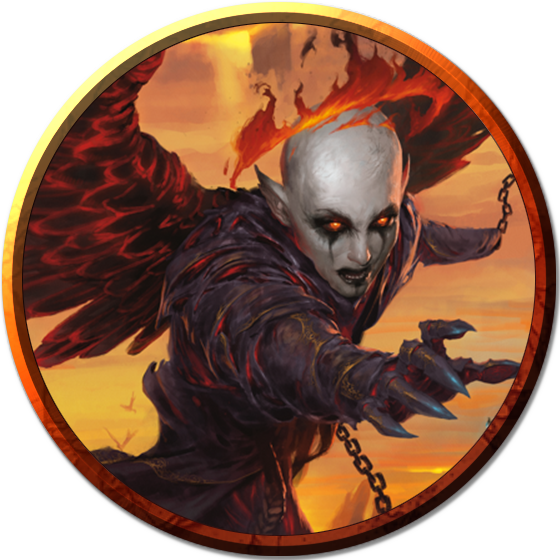
Zariel, titled the Archduchess of Avernus and the Lord of the First, is the archdevil ruler of Avernus who is dedicated to winning the unending Blood War between devils and demons. She was originally an angel of the Heavens before transforming into an archdevil and falling to the Nine Hells.
Zariel’s original form was that of a beautiful solar with flawless skin, gold-feathered wings, and a blindfold covering her eyes. After her descent, she took on a more diabolical appearance: a halo of fire burned atop her head, her once-fine skin became scorched, and her angelic wings, ruined by flame, turned leathery. Her blindfold was abandoned, fully revealing eyes that glowed with white-hot rage, and she had lost one of her hands and replaced it with a flail.
Dispater, Lord of the Second
Dispater is the Lord of Dis and an archdevil whose extreme vigilance almost personifies caution. The urbane Iron Duke rules the Iron City of Dis from within his Iron Tower, and is legendary for his impregnable layers of defense.
Despite frequent shifts in leadership among other archdevils, Dispater has maintained his position as the ruler of Dis since its creation. Known for his vigilance and caution, he rarely leaves his tower, and even less frequently leaves the Iron City. Those who know his plans, including Asmodeus, know that he hopes to one day rule each layer of the Nine Hells.
Mammon, Lord of the Third
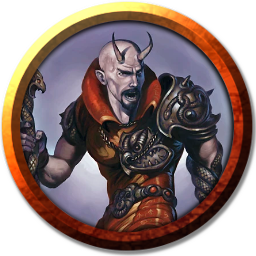
Mammon, sometimes referred to as Minauros, is the lord of the identically named layer of Minauros, and potentially the richest being in existence. Both literally and figuratively two-faced, the archdevil viscount is a feckless miser whose only loyalty is to coin.
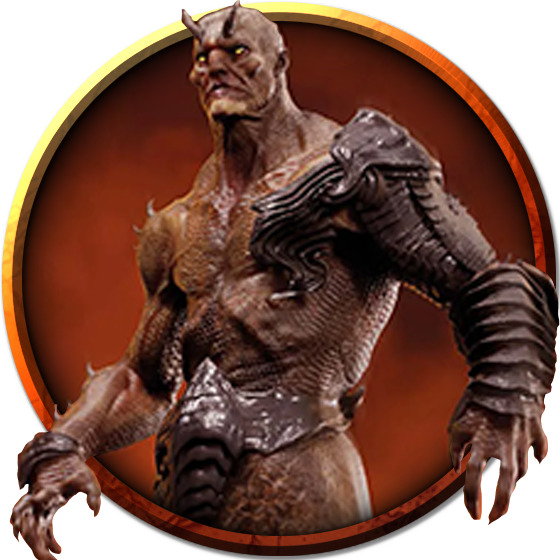
Belial, Lord of the Fourth
Belial is the lord of Phlegethos who, along with Fierna, his daughter, are the only archdevils allowed to share rulership over one of the Nine Hells by Asmodeus. Belial is the veteran schemer in their abnormal alliance, contributing diabolical deviousness and greater conspiratorial experience.
Belial maintains his image as the most carnal of all archdevils, and enjoys inflicting pain as much as experiencing pleasure. He is confident to a fault, with vanity and desire being his greatest weaknesses.
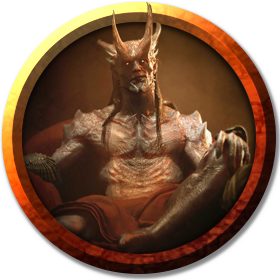
Fierna, Lord of the Fourth
Fierna is the lady of Phlegethos who, along with Belial, rules the layer. In their peculiar partnership, Fierna was the young newcomer with fiery passion and undoubtable appeal.
She is emotionally intelligent, and her charisma has earned her many allies and few enemies in the Nine Hells. Although some view her as incompetent, Fierna’s true intentions are hidden behind a smokescreen of brashness.
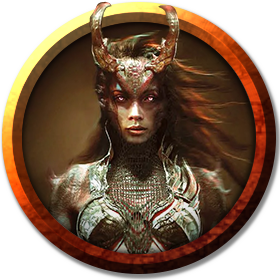
Levistus, Lord of the Fifth
Levistus is the lord of Stygia, and possibly the most hated of the archdevils in the Nine Hells. Rivaling Asmodeus and Dis in their ability to plan and strategize, Levistus is generally considered one of the most plausible archdevils for overthrowing the throne. His ambition was somewhat stifled when he committed an unspeakable betrayal and was imprisoned by Asmodeus deep within the ice of Stygia.
Even while imprisoned, Levistus continues to plot, choosing to force his rage inward and reflect. Divination and communication magic helps aid this effort, and even from within his icy tomb Levistus manages legions. Levistus is known to make many deals with adventurers, provided they can aid his search for freedom.
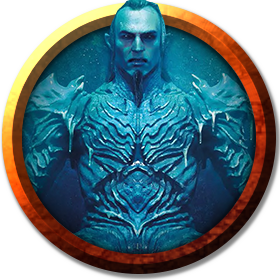
Glasya, Lord of the Sixth
Glasya is the lord of Malbolge and daughter of Asmodeus, therefore making her the Princess of the Nine Hells. One of the most powerful and influential of the female devils, the Dark Prodigy is an unpredictable archdevil known for her subversiveness.
She maintains control over the erinyes and has a massive following within the downtrodden and the neglected royalty of the other planes. For a long time, she was simply a lesser archdevil, jumping between various courts as she saw fit. It wasn’t until the Reckoning, a rebellion orchestrated by many archdevils to depose Asmodeus from his seat as ruler of the Nine Hells, which she helped instigate, that she claimed true power and became ruler of one of the nine layers.
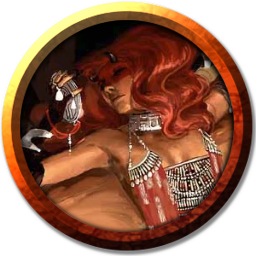
Baalzebul, Lord of the Seventh
Baalzebul, formerly an archon known as Triel, is the lord of Maladomini and the most infamous archdevil next to Asmodeus himself. After his fall, Asmodeus, perhaps out of some lingering sense of sympathy, quickly promoted Baalzebul to the ranks of devilish nobility. After that it wasn’t long before he displaced the original lord of Maladomini.
He is known as the Lord of the Flies because his webs of intrigue are so tightly woven that not even flies can escape, but the form he was cursed with by Asmodeus earned him a new, hated title; The Slug Archduke. He was cursed with this form after attempting to take Asmodeus’ throne.
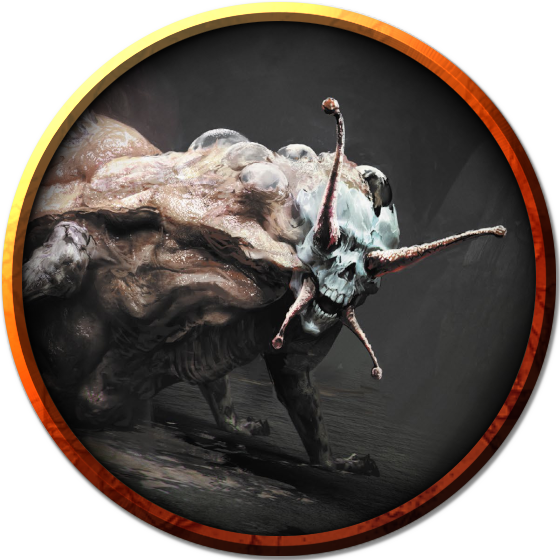
Mephistopheles, Lord of the Eighth
Mephistopheles, sometimes shortened to Mephisto and once under the name of Molikroth, is the lord of Cania and most powerful archdevil next to Asmodeus himself. He is famed as Hell’s most powerful spellcaster and the wielder of a power known as Hellfire. As the foremost spellcaster of the Nine Hells, Mephistopheles often resorts to magic when forced to defend himself. But his greatest power comes from the ability to wield Hellfire itself. Created by tapping into the profane essence of the Nine Hells, Hellfire is unimaginably, unbearably hot. Mephistopheles can also shape Hellfire however he wishes, making it his most potent weapon.
Hell’s greatest wizard is a walking contradiction - on the surface the cool and calculating Cold Lord and beneath that the grandiose and hot-headed Lord of Hellfire.
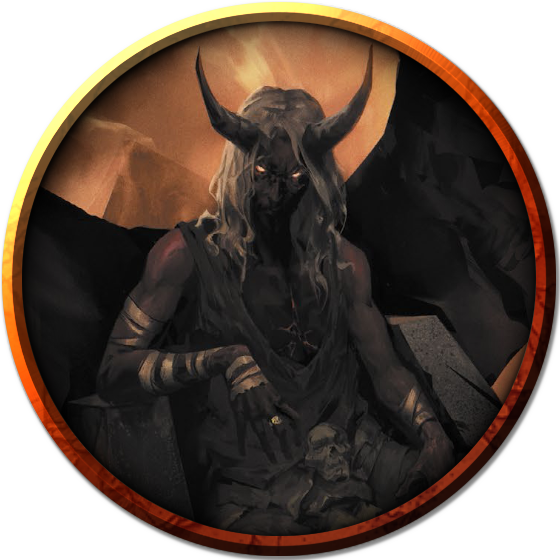
Bel
Bel was an archdevil of the Nine Hells who acted as the Archduke of Avernus until he was supplanted by Zariel. He was a military genius who specialized in misdirection and led with careful tactics, in contrast to his successor’s berserker rage.
From his bastion, Zariel’s second-in-command and the former lord of Avernus oversees the forges that furnish weapons and armor for the Blood War. Though Asmodeus has instructed Zariel to accept Bel as her advisor, Bel and Zariel loathe each other and invent distractions to keep them apart.
Bel outwardly plays the role of Zariel’s loyal vassal. However, Bel rankles at Zariel’s rulership of the layer of the Nine Hells that was once his, but he won’t challenge her directly as long as he thinks Asmodeus supports Zariel.
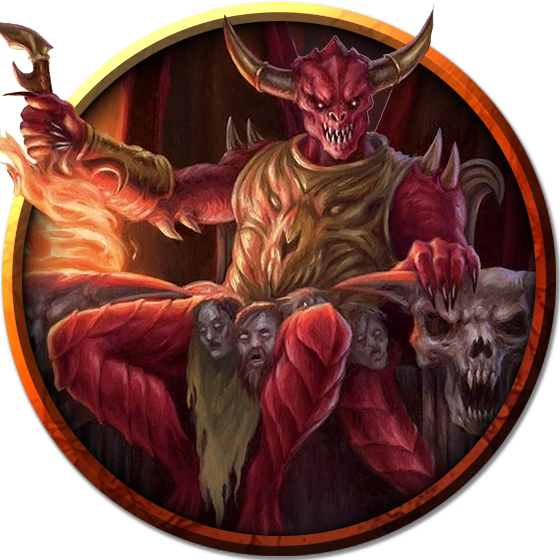
Moloch
Moloch was once an archdevil in the Nine Hells that served as Baalzebul’s viceroy in Malbolge before being exiled from the hells after the Reckoning. Though formerly the greatest duke of Hell, he was untrusted by his masters and betrayed by his subjects in a devious coup, after which the hated governor plotted his resurgence.
Moloch wasted no time in preparing for his return. He amassed an army of devils and monsters and left them to make final preparations for invading the Nine Hells, while he ventured to the Material Plane in search of an artifact that would ensure his success. But while there, he became trapped, leaving his armies at the mercy of his enemies. They were destroyed in short order.
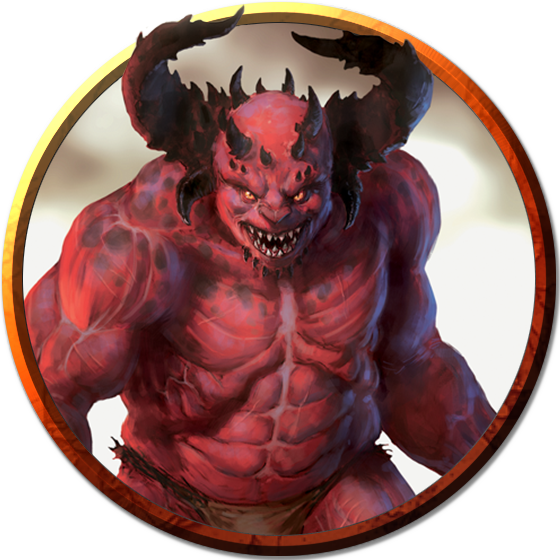
Geryon
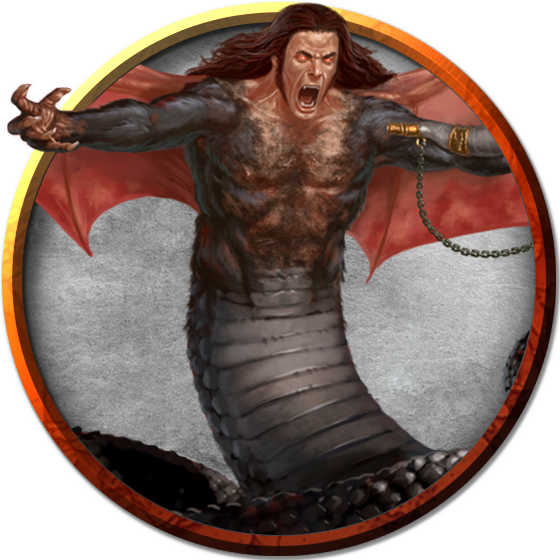
Geryon was once an archdevil in the Nine Hells, before being ousted from his position as ruler of Stygia. Later, Geryon returned, and sought to reclaim his layer from the Frozen Prince Levistus. The two have fought each other for centuries, each displacing the other innumerable times. Currently, Geryon occupies an odd position in the infernal hierarchy. Although Levistus still claims lordship over Stygia, he has been trapped in an enormous block of ice at the command of Asmodeus. For his part, Geryon marshals his followers and seeks to discover the means to replace his hated rival.
Among the archdevils, Geryon and Zariel are especially known for martial prowess. He is a ferocious hunter and a relentless tracker. Other devils command legions and bid their followers to battle their enemies. Geryon loves the feeling of flesh and steel being sundered beneath his claws, and the taste of his foes’ blood.
,
Known Aspects
The Red Knight (Exarch of Tempus)
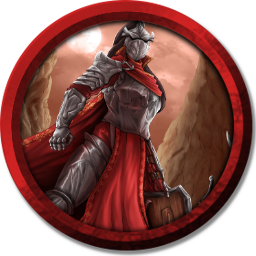
The Red Knight is the exarch of Tempus, Lord of Battle. She keeps her true name a secret, knowing that if anyone discovers it, they would gain insight into every strategy and war plan throughout the planes. The dogma of the Lady of Strategy dictated the use of careful tactics to wage war, for only through masterful planning could lasting victory be won.
Valkur, Captain of the Waves (Exarch of Tempus)
Valkur is an exarch many sailors and their ships look to as a source of power hoping for favourable winds and fortune in naval combat. The Captain of the Waves was the very picture of the daring sea captain, one capable of sailing his vessel through any disaster the Gods of fury could unleash.
Gabrielle Naarthil (Ilmater)
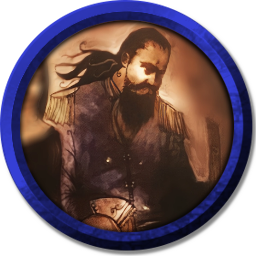
The newly appointed Aspect of Ilmater, going by the title “Aspect of the Enduring Martyr”, Gabrielle Naarthil is a nobleborn elf from Thva Enyaben, who rose to prominence in the last year after joining the Twin Phoenix and later the Copper Phoenix. Gabrielle has shown true resilience and has become an aspect for reasons unknown to himself. Greatsword in hand and clad in his dark adamantine armor, he endures, pressing forwards until his enemies are vanquished.
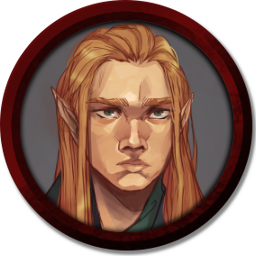
Porthos Dimont (Pelor) - dead
Porthos Dimont was born as an aasimar which held great importance and status within the holy kingdom of Esneya. his martial prowess was noticed at a young age and he grew to become a devout paladin and servant of Pelor and with time Pelor granted him the power of an aspect. Porthos has been on the frontline against humans and demons for most of his life and has shown himself to be a beacon of hope for all that follow him.
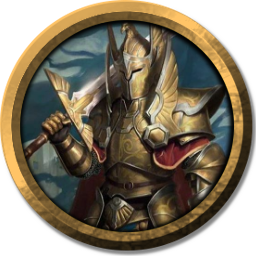
Rytys Petir & Rytys Esta (Dragon of Power)
Serani Esta leader of the dragon elves and her younger twin Petir have been the aspects of Vitrix ever since Rytys’ death 11 years ago. The two of them currently hold the ever reincarnating soul of the Dawn titan know as the dragon of power and the responsibility that comes with it. The task of those that hold this power is to maintain the soul through the incarnations, no matter the cost.
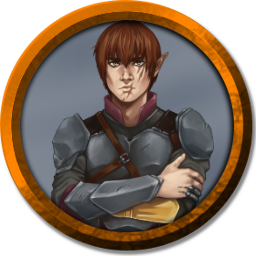
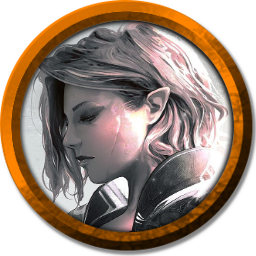
Servus (A’Odon) - dead
Servus was born into a tribe of goliaths that did not worship A’odon and spent most of his life training, hunting like all goliaths do. While he was on a hunt a blizzard appeared and his companions fell on by one until it was only Servus, shivering alone on the verge of death in the dark vast wilderness. He begged to not die and his prayers were heard. A’odon granted him the strength to live but he would never feel warmth again and neither would his tribe when he returned.
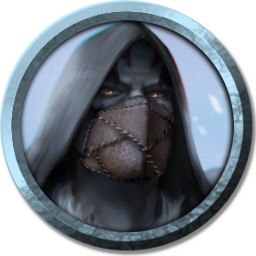
Turron (Silvanus)
Turron is the leader and protector of the island nation of Sanctuary and all its creatures. He gathers all the creatures that need safety in his domain and protects them from all that would hurt them. He uses his own druidic powers and those given to him from Silvanus to place wards and turn nature itself against any attacker that dares step foot on the island.
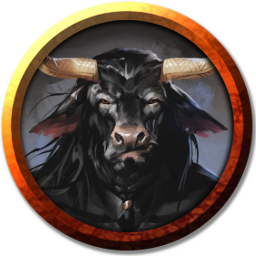
Falazure (Null)
Falazure, also knows as “The Cannibal”, is a gargantuan dragon residing in the rift carved through the north eastern unbound expanse. Falazure is a direct manifestation of Null in the mortal world and they can almost be viewed as one entity. A cold and calculating figure when satiated but when the scent of blood is in the air, Falazure will stop at nothing to consume his prey.
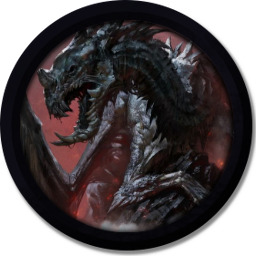
Mika (Moradin)
Aelthar (Shar)
Thalia (Helm)
Alexei (Raven Queen)
Alune (Selune)
,
Dead or Gone Gods
Torm
TBA
Myrkul, God of Death
Myrkul is an ancient god, one of three former mortals who were raised to deityhood when Jergal grew weary of his divine duties and distributed his influence between them. He became the god of death and the dead, and ruled over his domain for centuries until he was usurped when the Raven Queen rose up to take his place as the new god of death. Roses were one of the many symbols used to represent Myrkul, signifying both the beauty of death, and the eventual withering of the rose, earning him the nickname of the Rose Lord
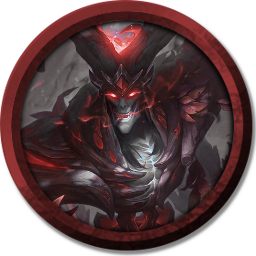
Mystra, Goddess of Magic
Mystra is the goddess of magic, and with that the goddess of possibilities. She is venerated by mages and by those who use magic or magical objects in their daily lives. She also receives the prayers of those who find magic wondrous or encounter magic they fear. Mystra is the goddess of the essential force that makes all spellcasting possible. She provides and tends the Weave, the conduit through which mortal spellcasters and magical crafters can safely access the raw force of magic.